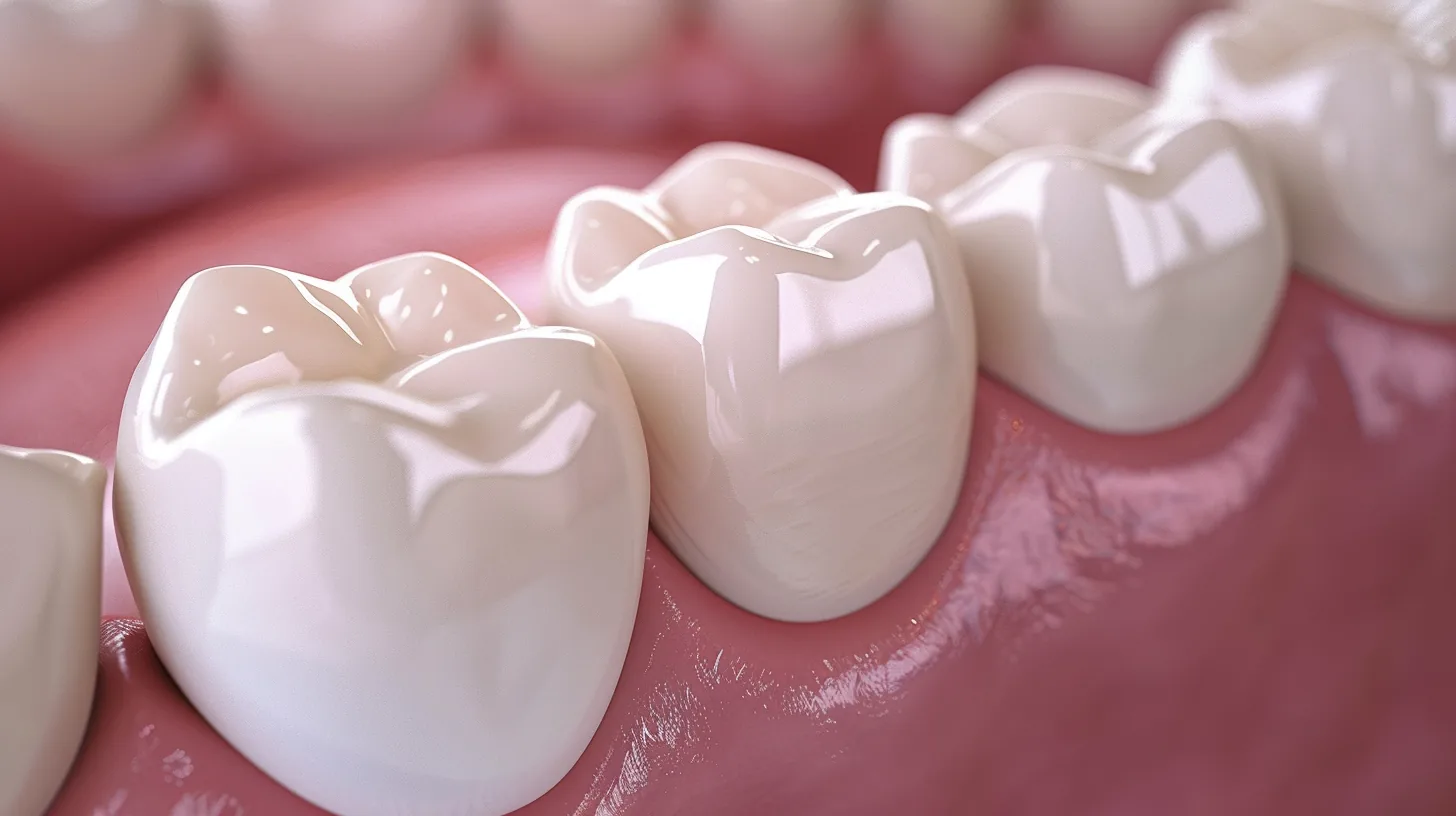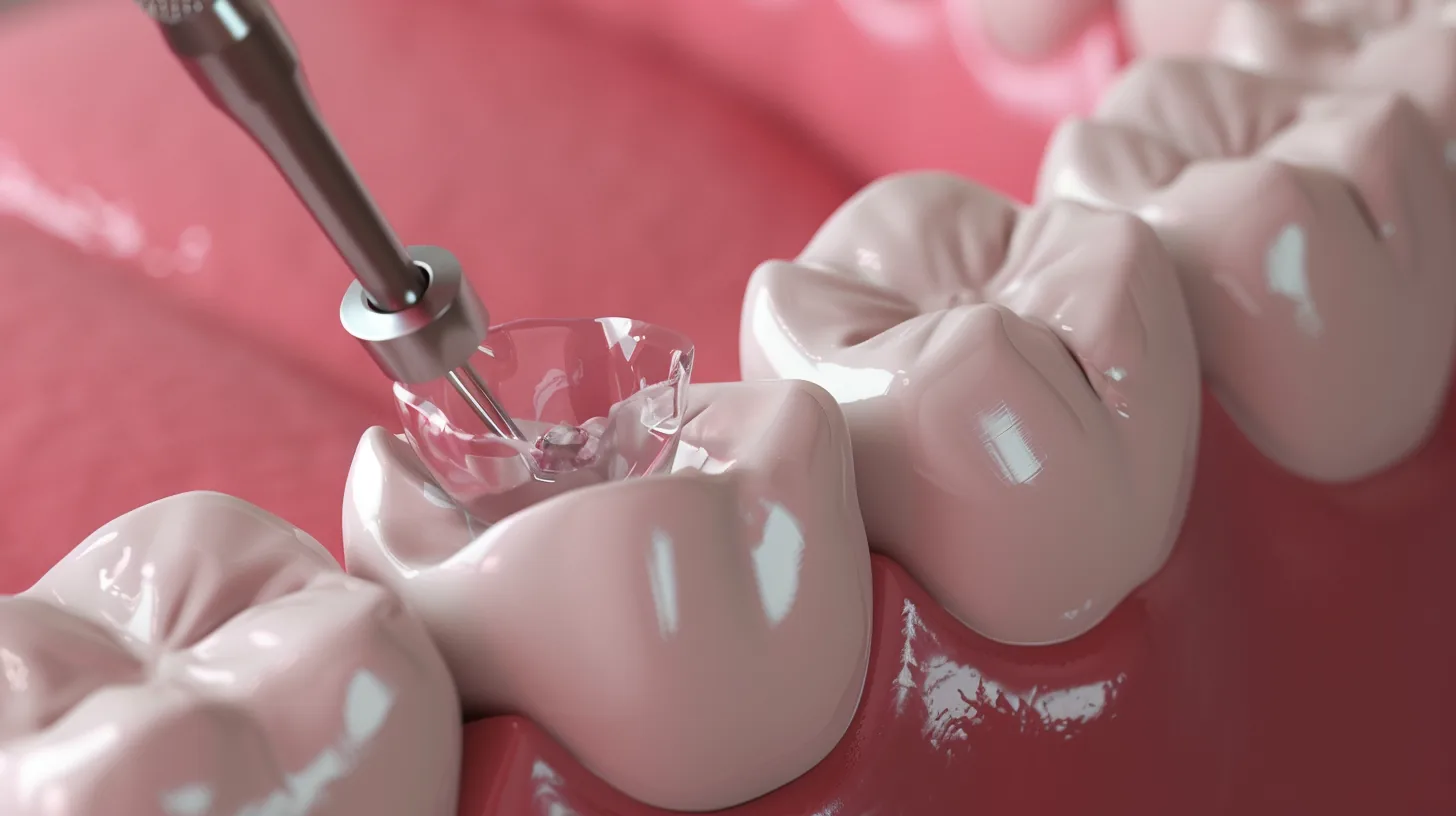
Bruxism — grinding or clenching your teeth, often during sleep — is more common than most people realize. Left untreated it can wear down enamel, crack restorations and trigger jaw pain. The good news: it is highly treatable.
Stress and anxiety are the most common triggers, but bite misalignment, sleep disorders and certain medications can all play a role. Because much of the grinding happens during sleep, many people are unaware of it until a partner notices the sound or a dentist spots the wear.
Look out for worn, flattened or chipped teeth, increased sensitivity, a tired or aching jaw in the morning, headaches around the temples, and clicking in the jaw joint. Over time, untreated grinding can damage crowns, veneers and natural enamel alike.
A custom-made night guard is the simplest, most effective protection — a thin, comfortable splint that cushions your teeth while you sleep. For jaw-muscle tension and TMJ disorders we also offer splint therapy and targeted Botox to relax overactive muscles. Where worn teeth need rebuilding, our prosthetic team can restore shape and function.
 Shqip
Shqip
 English
 Italiano
 Русский
 Deutsch
 Français